

Pergola vs Patio Cover: Which Is Right for Your Okanagan Home? (2026 Guide)
Pergolas look great in magazine photos. Open slats, climbing vines, that relaxed Mediterranean vibe. But here’s the thing – those photos weren’t taken in the Okanagan in November when the rain’s coming sideways and you’re scrambling to cover your outdoor furniture.
I’ve been installing both pergolas and patio covers in Kelowna and the surrounding area for years. The question I get most often is simple: which one should I actually build? The answer depends on what you’re really trying to achieve with your outdoor space.
If you want a decorative focal point for summer entertaining and don’t mind heading inside when the weather turns, a pergola might work. If you want to actually use your patio year-round – through spring showers, summer sun, fall rain, and winter snow – you need a solid patio cover.
This guide breaks down everything: the real differences between these structures, what they cost in Canadian dollars, permit requirements in Okanagan municipalities, and which option makes sense for your specific situation.
The Core Difference: Pergolas vs Patio Covers
Let’s cut through the confusion right away. The fundamental difference between a pergola and a patio cover comes down to one thing: the roof.
What Makes a Pergola a Pergola
A pergola has an open-roof design with spaced rafters or slats. Light passes through. Air flows freely. Rain, snow, and everything else also comes right through those gaps. That’s the defining characteristic – it’s not a shelter, it’s a framework.
The main purposes of a pergola are aesthetic. They add architectural detail to your backyard. They define an outdoor space. They provide filtered shade – typically reducing sun exposure by 30 to 50 percent. And they give climbing plants like wisteria or grapes something to grow on.
Pergolas are more commonly built as freestanding structures, though they can attach to your home. The open design makes them visually lighter, and they create that classic garden room feeling that photographs so well.
What Makes a Patio Cover Different
A patio cover has a solid, continuous roof. Rain doesn’t come through. Snow stays on top where it belongs (and slides off with proper slope). UV rays get blocked completely. It’s functional outdoor shelter, not decorative framing.
The primary purpose of a patio cover is protection – creating usable outdoor space regardless of weather conditions. You can leave furniture outside without worrying about sudden storms. You can host a barbecue in April without everyone scrambling indoors when clouds roll in.
Most patio covers attach to the home, extending your living space outward. The solid roof makes them feel more like an extension of your house – which, for practical purposes, they are.
Quick Comparison
| Feature | Pergola | Patio Cover |
|---|---|---|
| Roof Type | Open slats/rafters | Solid continuous roof |
| Rain Protection | None | Complete |
| Snow Protection | None | Complete |
| UV Protection | Partial (30-50%) | Full (100%) |
| Primary Purpose | Aesthetic/filtered shade | Weather protection |
| Common Attachment | Freestanding | Attached to home |
Weather Protection in BC Climate
Here’s where the pergola vs patio cover decision gets real for anyone living in the Okanagan. We don’t have California weather, despite what summer tourists might think when they’re here in July.
The Rain Reality
Kelowna gets about 380mm of precipitation annually. That’s spread across spring, fall, and those winter months when wet snow mixes with rain. A pergola with open slats does exactly nothing to keep you dry. If you want to use your outdoor space in anything other than perfect summer weather, an open pergola isn’t going to work.
Patio covers, by contrast, let you enjoy your outdoor space whenever you want. Morning coffee during a spring shower. Evening drinks while rain patters on the roof above. That’s the difference between an outdoor structure you actually use and one that sits empty eight months of the year.
The Snow Problem
This is where pergolas become genuinely problematic in BC. Our snow isn’t light powder – it’s heavy, wet, and can accumulate fast. Open-slat pergolas aren’t rated for significant snow loads because they’re not designed to handle loads at all. The gaps mean snow partially accumulates on horizontal members while also falling through onto whatever’s below.
More concerning: traditional pergola construction often lacks the structural engineering required by BC building codes for snow country. A pergola built to coastal BC standards might handle our winters. One designed for Arizona won’t.
Solid aluminum patio covers are engineered for BC snow loads from the start. They’re rated at 40 to 50 PSF (pounds per square foot), meeting or exceeding Kelowna’s 37.6 PSF requirement. Snow accumulates on top, the structure handles the weight, and proper slope encourages it to shed.
When Pergolas Can Work in BC
There’s a middle-ground option worth mentioning: louvered patio covers. These have adjustable aluminum louvers that can open like a pergola for airflow or close completely for rain and snow protection. You get the open-air feeling when weather permits and full coverage when you need it.
Motorized systems let you adjust with a remote or smartphone app. They’re a premium option – significantly more expensive than either a basic pergola or a solid patio cover – but they eliminate the compromise.
Cost Comparison (CAD Pricing)
Let’s talk actual numbers. Costs vary based on size, materials, and whether you’re doing DIY or professional installation – but these ranges give you realistic expectations for the Okanagan market in 2026.
Pergola Costs
Wooden pergolas run approximately $45 to $68 per square foot for professional installation with quality materials. A basic 10×10 DIY kit starts around $2,500 CAD, though you’ll need to factor in tools, time, and the learning curve if you’ve never built one.
Aluminum pergola kits are more affordable at $12.77 to $18.04 per square foot. These are the most budget-friendly DIY option – aluminum is lighter, easier to work with, and requires no staining or sealing.
Polycarbonate pergola kits – which add translucent roofing panels to an aluminum frame – run about $2,600 CAD for a 12’x12′ complete system. These offer some weather protection while maintaining that open, bright feeling.
Patio Cover Costs
Solid patio covers range from $4,300 to $26,100 CAD depending on materials, size, and complexity. A basic aluminum patio cover for a standard 12’x12′ space typically falls in the $4,300 to $8,000 range installed.
Insulated aluminum panels, which add thermal performance and eliminate condensation issues, push costs toward the higher end. Glass or polycarbonate roof systems – which let light through while providing full weather protection – fall somewhere in between.
Premium louvered systems range from $130 to $200+ per square foot in BC. For a 12’x12′ space, you’re looking at $18,720 to $28,800 or more. These are high-end installations with motorized components, and pricing reflects that.
Installation Timelines
Pergolas typically install in 1 to 3 days depending on complexity. The open design means fewer components and simpler connections.
Patio covers take 3 to 7 days. The solid roofing, drainage systems, and proper flashing at the house connection require more careful work. Quality installers don’t rush this – proper weatherproofing at attachment points matters.
Long-Term Cost Considerations
Here’s where the math changes: upfront cost isn’t the whole picture.
Wooden pergolas need staining or sealing every 4 years – that’s labour and materials every time. They typically last 10 to 15 years before needing significant repairs or replacement. Over 20 years, you might go through two wooden pergolas.
Aluminum patio covers last 20 to 30 years with virtually no maintenance beyond occasional cleaning. The higher upfront cost spreads across decades of trouble-free use.
When you calculate total cost of ownership, quality aluminum patio covers often cost less per year of service than budget pergolas that need constant attention.
| Structure Type | Upfront Cost (12×12) | Annual Maintenance | Lifespan |
|---|---|---|---|
| Wooden Pergola | $5,400 – $8,200 | $200-400 (stain/seal) | 10-15 years |
| Aluminum Pergola Kit | $1,800 – $2,600 | $0 (wash occasionally) | 15-25 years |
| Aluminum Patio Cover | $4,300 – $8,000 | $0 (wash occasionally) | 20-30 years |
| Louvered System | $18,700 – $28,800 | $50-100 (mechanism check) | 15-25 years |
Permit Requirements in the Okanagan
Permits aren’t optional – they’re how municipalities ensure structures meet building codes for safety, snow loads, and wind resistance. Here’s what you need to know for Okanagan communities.
Size Thresholds
Most Okanagan municipalities require building permits for structures over 97 to 108 square feet. That’s roughly a 10’x10′ footprint. Anything smaller might be exempt, but “might” is the key word – always verify with your local building department.
The City of Kelowna specifically exempts buildings under 10 square metres (approximately 107 square feet) from permit requirements in some circumstances. However, attached structures typically require permits regardless of size because they affect the main dwelling.
Attached vs. Freestanding
Attaching any structure to your home generally triggers permit requirements. The connection creates structural dependencies – your patio cover or pergola becomes part of your house in the eyes of building codes. That means proper engineering, appropriate hardware, and inspection.
Freestanding structures have more flexibility, but size and placement rules still apply. Setback requirements from property lines, height restrictions, and snow load ratings don’t disappear just because the structure isn’t attached.
Snow and Wind Load Verification
This is why permits matter beyond paperwork: inspectors verify that your structure can handle BC conditions. Kelowna requires 1.8 kPa snow load rating (37.6 PSF). Vernon, Penticton, West Kelowna, and Lake Country have similar requirements based on their locations.
Structures that don’t meet these requirements are safety hazards. They might survive mild winters but fail dramatically when heavy snow hits. Permit inspections catch these issues before they become problems.
Municipal Contacts
Always check with your specific building department before starting any project:
- Kelowna: City of Kelowna Building Department
- West Kelowna: City of West Kelowna Planning & Development
- Vernon: City of Vernon Building Division
- Penticton: City of Penticton Building Services
- Lake Country: District of Lake Country Building Department
- Peachland: District of Peachland Building Services
Longevity & Maintenance Requirements
How long will your structure last, and how much work will you put into keeping it that way? These questions matter more than most people realize when choosing between pergolas and patio covers.
Material Lifespan Comparison
| Structure | Expected Lifespan | Maintenance Required |
|---|---|---|
| Aluminum Patio Cover | 20-30 years | Minimal (wash with water) |
| Wooden Pergola | 10-15 years | Stain every 4 years + seal |
| Aluminum Pergola | 15-25 years | Occasional cleaning only |
| Louvered Pergola | 15-25 years | Clear louvers 2x/year |
Wood Maintenance Reality
If you go with a wooden pergola, understand what you’re signing up for. Staining is required every 4 years – skipping it accelerates rot, cracking, and structural deterioration. That’s not optional maintenance; it’s the price of admission for wood outdoors.
Between staining cycles, you’ll deal with checking (surface cracks), potential insect damage, and the general wear that moisture and sun inflict on organic materials. Some of this is cosmetic. Some affects structural integrity over time.
After 10 to 15 years, most wooden pergolas need significant repairs or complete replacement. Posts rot at ground level. Beams split. Connections loosen. What started as a $5,000 project might need another $5,000 to rebuild.
Aluminum Advantage
Aluminum doesn’t rot, crack, warp, or attract insects. It doesn’t need painting, staining, or sealing. The powder-coat finish applied at the factory lasts the life of the structure.
Maintenance amounts to rinsing with a garden hose once or twice a year to remove pollen, dust, and bird droppings. That’s it. No weekends spent on ladders with stain and brushes.
This durability is why aluminum patio covers dominate the BC market. Homeowners learn – sometimes after one wooden structure – that maintenance-free matters more than upfront savings.
Patio Cover Gutter Maintenance
One maintenance task specific to solid patio covers: gutter cleaning. Solid roofs collect debris – leaves, needles, pollen – and gutters can clog if ignored. Plan on clearing gutters twice a year, in spring and fall.
This is minor compared to wood maintenance, but it’s not zero. Downspout extensions that direct water away from foundations also need occasional attention to ensure proper drainage.
Glass and Polycarbonate Considerations
Glass patio covers and polycarbonate roof systems have their own maintenance profile. Glass needs periodic cleaning to maintain clarity – water spots, algae growth, and accumulated grime are more visible than on solid panels. Polycarbonate is more forgiving but can develop haze over years of UV exposure.
Both materials offer durability comparable to aluminum frames when properly installed. The difference is aesthetic maintenance rather than structural.
Which Is Better for Your Okanagan Backyard?
After everything we’ve covered, here’s how to make the actual decision. It comes down to how you want to use your outdoor space and what trade-offs you’re willing to accept.
Choose a Patio Cover If…
- You want year-round usability. If the goal is to use your outdoor space in April, May, September, October – basically any month that might see rain – a solid patio cover is the only option that delivers.
- You don’t want to worry about weather. Patio furniture stays out. The barbecue stays ready. You don’t check forecasts before deciding to use your own backyard.
- Your budget allows $4,300 to $26,100. Solid patio covers cost more upfront than basic pergolas. If your budget doesn’t reach this range, you’re looking at DIY options or saving for later.
- You value long-term over short-term. A 20-30 year lifespan with minimal maintenance beats a 10-15 year structure that needs constant attention.
- You’re protecting an investment. Outdoor kitchens, hot tubs, quality furniture – anything you want sheltered from weather needs a solid roof overhead.
Choose a Pergola If…
- You prefer summer shade only. If you’re really only using the outdoor space from June through August when rain is rare, a pergola provides filtered shade without the cost of a full roof.
- You want the lowest upfront cost. Aluminum pergola kits starting around $1,800 are the most affordable option for defining outdoor space.
- You love the open-air aesthetic. Some people genuinely prefer the look of open rafters and sky visible above. That’s a valid design choice – just understand the functional limitations.
- You’re willing to upgrade later. Starting with a pergola and adding a louvered or motorized system later is a legitimate approach. Build the framework now, add the roof when budget allows.
- It’s for plant support. Growing grapes, wisteria, or other climbing plants? Pergolas are designed exactly for this purpose. The open structure gives plants room to grow and light to thrive.
The Hybrid Approach
You don’t have to choose one or the other for your entire property. Some homeowners install a solid patio cover where they need protection – over the main seating area and outdoor kitchen – then add a pergola further into the yard as a visual feature or garden structure.
This gives you functional shelter where it matters and aesthetic appeal where weather protection isn’t critical. The pergola becomes a destination point in the garden rather than the primary outdoor living space.
Typical Okanagan Installation Process
Knowing what to expect helps you plan timelines and avoid surprises. Here’s how a typical project flows from first conversation to finished structure.
Step 1: Permit Application (1-2 Weeks)
For structures requiring permits, the application process typically takes 1 to 2 weeks in Okanagan municipalities. Some contractors handle this for you; others expect you to manage it. Clarify who’s responsible before signing anything.
Permit applications require site plans showing the proposed structure’s location, size, and setbacks from property lines. Most building departments have online submission options now.
Step 2: Design Consultation
During the design phase, contractors assess several factors specific to your property:
- Snow load requirements: What rating does your structure need for local conditions?
- Wind exposure: Is your site sheltered or exposed? This affects engineering requirements.
- Deck attachment: If attaching to an existing deck, can the deck structure handle the additional load?
- House attachment: Where will the ledger board mount? Are there obstacles like windows or vents?
- Drainage: Where will water go? Gutter placement and downspout routing matter.
Step 3: Material Selection
Aluminum is the most popular choice for BC installations – durability and low maintenance make it the practical winner. Within aluminum systems, you’ll choose between:
- Solid panels: Maximum protection, clean lines
- Insulated panels: Added thermal performance, no condensation
- Glass or polycarbonate: Light transmission with full weather protection
- Louvered systems: Adjustable for open-air or full coverage
Color options typically include white, bronze, and various earth tones that complement common Okanagan home exteriors.
Step 4: Installation (3-7 Days)
Patio cover installation typically takes 3 to 7 days depending on size and complexity. Pergolas are faster – usually 1 to 3 days – due to their simpler construction.
The process involves:
- Setting posts and pouring footings (if freestanding) or attaching ledger boards (if attached)
- Installing beams and the main support structure
- Adding roof panels and securing connections
- Installing gutters and downspouts
- Finishing trim and cleanup
Step 5: Final Inspection
For permitted work, a building inspector verifies that the finished structure matches approved plans and meets code requirements. This typically happens within a few days of completion. The inspector checks connections, attachment points, and overall construction quality.
Once inspection passes, you receive a final permit sign-off. Keep this documentation – you’ll need it if you ever sell the home or file an insurance claim involving the structure.
Frequently Asked Questions
Can you put a pergola over a hot tub or outdoor kitchen?
Yes, but material choice matters significantly. Hot tubs create constant moisture, and outdoor kitchens produce grease and smoke. Aluminum handles these conditions far better than wood – no rot, no moisture damage, no warping from heat. If you’re installing over a hot tub specifically, consider that an open pergola won’t keep rain out during use. A louvered system that can close gives you the best of both worlds.
Do pergolas provide enough shade for summer in the Okanagan?
Pergolas provide filtered shade – typically reducing sun exposure by 30 to 50 percent depending on slat spacing and orientation. For Okanagan summers, where temperatures regularly hit 30°C or higher, this might not be enough. Many homeowners add shade cloth between rafters or install retractable canopies. At that point, you’ve spent extra money trying to make a pergola do what a patio cover does naturally. Consider a louvered system if you want adjustable shade without the makeshift solutions.
Can I install a patio cover over an existing deck?
Yes, professional installers do this routinely. Posts can attach to existing deck framing or extend through to independent footings below. The key consideration is whether your deck structure can handle the additional load – both the weight of the cover itself and any snow accumulation. A contractor will assess your deck’s construction before recommending an approach. In some cases, reinforcing deck framing or adding support posts is necessary.
Will my pergola collapse under Okanagan snow?
Open-design pergolas aren’t rated for heavy snow loads – they’re not designed to carry significant weight on horizontal members. While snow partially falls through open slats, what accumulates can stress joints and connections. Traditional pergola construction from warmer climates often lacks the engineering for BC winters. If you want a pergola-style aesthetic in snow country, look at engineered aluminum systems specifically rated for local conditions, or louvered covers that can close to shed snow properly.
How much does a typical Kelowna patio cover installation cost?
For a standard 12’x12′ aluminum patio cover installed, expect to pay $4,300 to $15,000+ including permits and materials. The range depends on panel type (solid vs. insulated vs. glass), attachment method, and site-specific factors like footing requirements or difficult access. Premium louvered systems run significantly higher – $18,000 to $28,000 or more for the same footprint. Get multiple quotes and make sure they include everything: permits, footings, gutters, and cleanup.
Can I get a motorized patio cover with louvers?
Yes. Motorized louvered systems adjust from fully open (pergola-style airflow) to fully closed (complete weather protection) with a remote control or smartphone app. Premium systems include rain sensors that automatically close louvers when precipitation starts. These are the highest-cost option in the patio cover category but eliminate the compromise between open-air aesthetics and weather protection. See our louvered aluminum patio covers page for more details.
What’s the ROI on a patio cover in BC?
Return on investment for patio covers typically runs 50 to 80 percent of project cost added to home resale value. The exact figure depends on your local market, the quality of installation, and how well the structure integrates with your home’s design. More importantly for many homeowners, patio covers create genuinely usable outdoor living space – something BC buyers actively look for. In the Okanagan’s outdoor-focused lifestyle, covered patios are selling features, not just nice extras.
The Bottom Line
Pergolas and patio covers serve fundamentally different purposes. Pergolas add architectural interest and filtered shade for spaces you’ll use primarily in good weather. Patio covers create protected outdoor living areas you can use regardless of what’s happening overhead.
For Okanagan homeowners who want to maximize their outdoor space – not just during the three perfect summer months but year-round – solid patio covers are the practical choice. The weather here includes rain, snow, and everything in between. A roof that handles all of it makes the space below genuinely useful.
If aesthetics are your primary goal and weather protection is secondary, pergolas have their place. Just go in with realistic expectations about when you’ll actually be able to use the space. And consider that louvered systems offer a middle path – pergola aesthetics when you want them, full protection when you need it.
Either way, work with contractors who understand Okanagan conditions. Structures built to California specs don’t survive BC winters. Engineering matters, permits matter, and quality installation matters. Get those right, and whatever you build will serve you well for decades.
Ready to Build Your Outdoor Space?
Get a free quote from Okanagan Patio Covers. We build patio covers and louvered systems engineered specifically for BC weather – locally owned, built for our climate.
Get Your Free Quote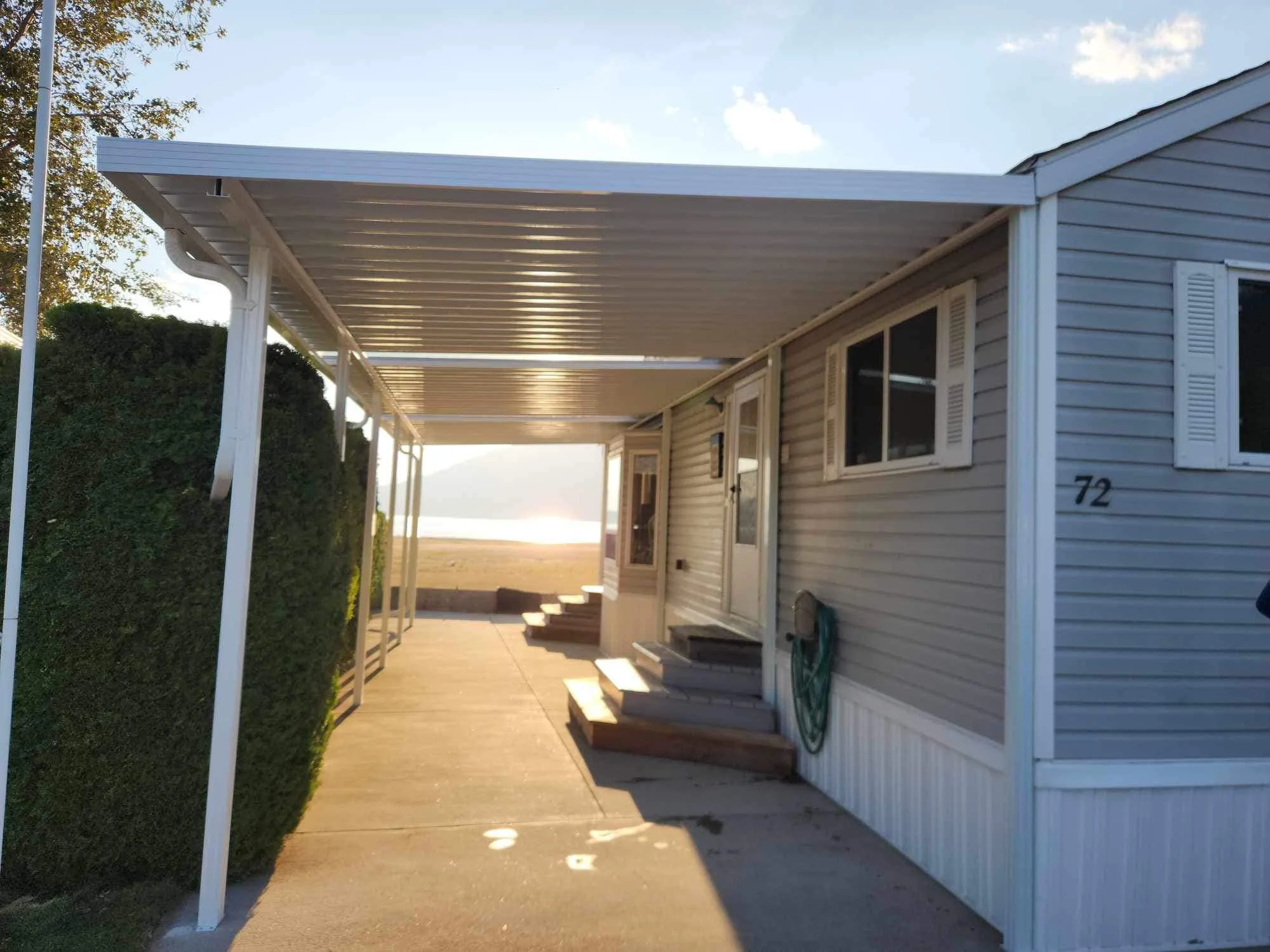
Ready to Start Your Project?
Get a free, no-pressure quote. We’ll help you choose the right patio cover for your backyard and budget.
Serving Kelowna, West Kelowna, Vernon, Penticton, Lake Country & Salmon Arm