

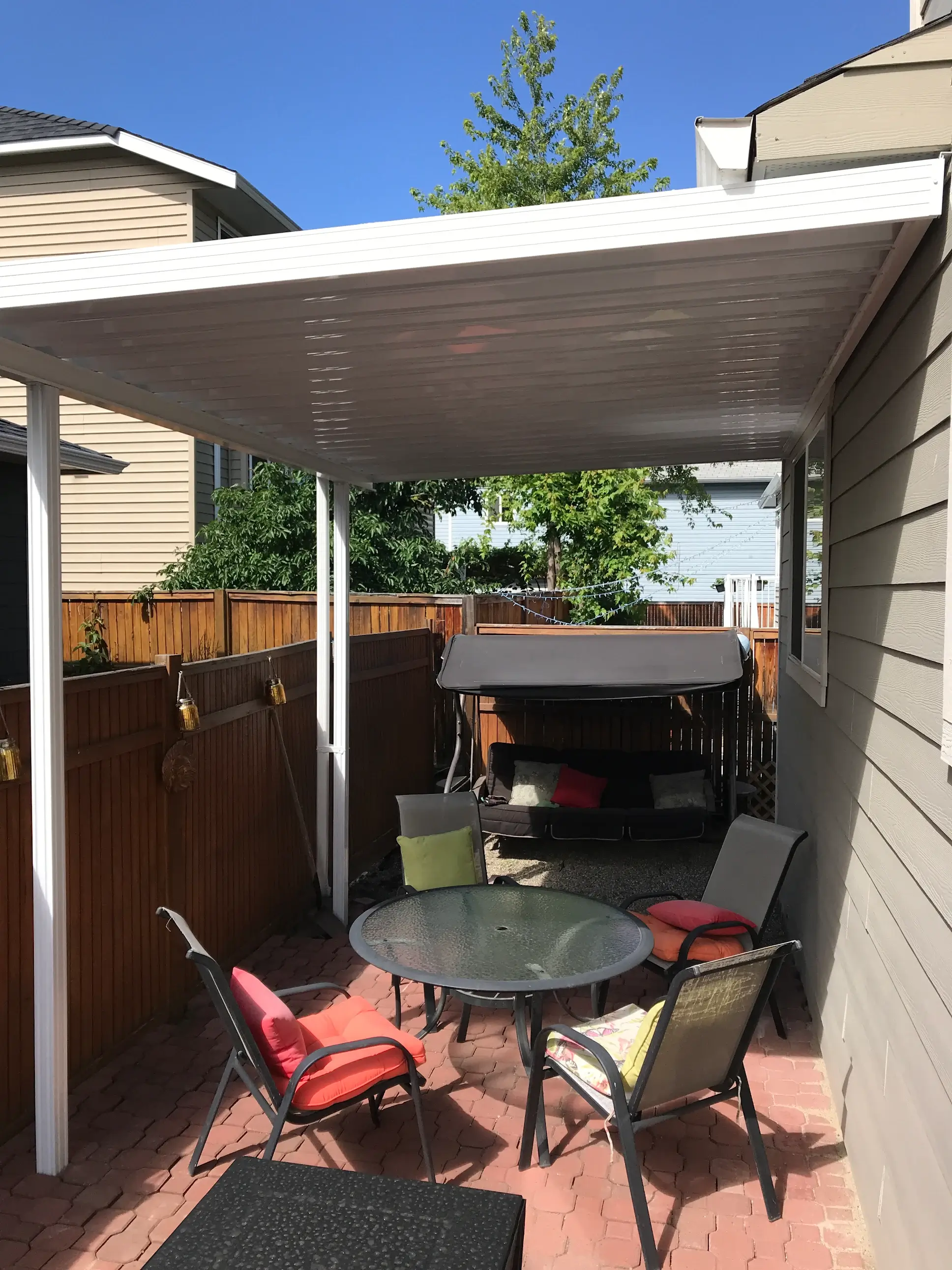
Patio Cover Permits in BC: What Okanagan Homeowners Need to Know
Usually, yes. In BC, a patio cover attached to your house or with a solid roof needs a building permit. Many freestanding covers under 10 square metres are exempt. This guide breaks down the exact thresholds, municipality contacts, and code basics for the Okanagan.
We design, manufacture, and install every aluminum cover in-house, in our West Kelowna shop, to full BC Building Code compliance.
Do I Need a Permit for a Patio Cover in BC?
Patio permits in the Okanagan come down to three questions: is it attached to your house, does it have a solid roof, and how big is it? Answer those and you’ll know which side of the line you’re on. Here’s the breakdown we see homeowners work through before they ever get to a quote.
| Usually needs a permit | Often exempt |
|---|---|
| Attached to your house (bolted to a ledger) | Freestanding and under 10m² (~10×11 ft), a patio cover not attached to house |
| Freestanding over 10m² | Open pergola, no solid roof, under size |
| Any solid roof, aluminum, glass, or poly | Ground-level structure under 0.6m high |
| Electrical or gas (lights, fans, heaters) | |
| Hillside or flood-zone lots |
A detached, temporary patio cover or temporary porch cover, a shade sail, a pop-up canopy, nothing with permanent footings, usually skips the conversation entirely. Anything bolted down or built to stay gets judged on size and attachment, not on how temporary it feels.
Patio Cover Plans for Permit: Why Aluminum Still Needs Footings
Some homeowners assume a factory-built aluminum patio cover is different from “real” construction. It isn’t. BC Building Code Appeal Board Decision 1783 settled this in 2016: aluminum patio covers require full code compliance, the same as any addition, and footings must meet Section 9.15, not just a bolt into an existing slab.
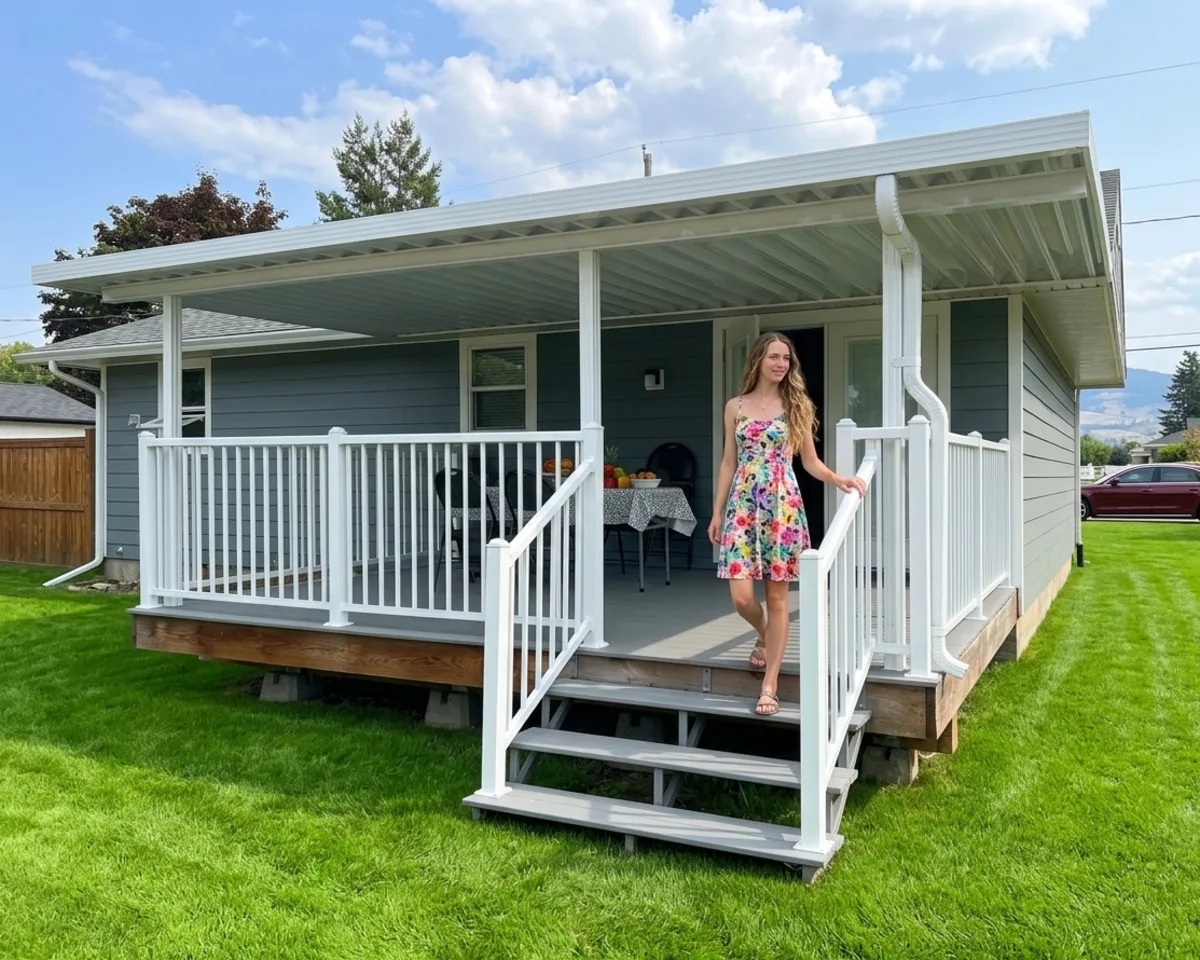
Do I Need a Permit to Enclose My Patio? Sunrooms & 3-Season Rooms
Almost always, yes. A sunroom, 3-season room, or any enclosed patio adds floor area to your home, so the code treats it as an addition, not a cover. That means a building permit in every Okanagan municipality, plus the same setback and lot-coverage rules as any addition. Wire it for light or heat and expect an electrical permit on top.
A sunroom gives you the most usable space of any option, and it’s the one build where the permit isn’t optional. Want a permit-free path instead? An open aluminum patio cover is the simpler route. Want the enclosed option? See our 4-season sunrooms and 3-season rooms pages.
Building Permit for Patio Cover: Requirements by Okanagan Municipality
Every city has its own paperwork, thresholds, and timelines for a building permit for patio structures. Here’s what we see working across the valley on real jobs.
City of Kelowna
| Permit Threshold | 10m² freestanding; any attached structure |
| Setbacks | 1.5m from side property lines, 7.5m from rear lanes |
| Contact | Building Permits, (250) 469-8600 |
| Apply | kelowna.ca/building-permits |
| Timeline | 2 to 4 weeks for residential |
| Fees | Based on your project’s value, check the city’s current schedule |
West Kelowna
| Permit Threshold | 10m² freestanding; any attached structure |
| Contact | Building Department, (778) 797-8830 |
| Apply | westkelownacity.ca/building-permits |
| Key Document | Building Regulation Bylaw 2009 |
Penticton
| Permit Threshold | 10m² standard |
| Contact | Building & Licensing, (250) 490-2501 |
| Apply | penticton.ca/building-permits |
Vernon
| Permit Threshold | 10m² standard |
| Contact | Building Inspection, (250) 545-1361 |
| Apply | vernon.ca/building-development |
Lake Country
| Contact | Building Department, (250) 766-5650 |
| Note | Follows RDCO guidelines for rural areas |
Regional District of Central Okanagan (RDCO)
| For | Properties outside city limits (Joe Rich, rural areas) |
| Contact | Building Services, (250) 469-6227 |
| Apply | rdco.com/building-permits |
Not sure which jurisdiction you’re in? Check your property tax notice.
Patio Cover Permit Requirements: BC Building Code Basics
This is where DIY projects run into trouble. The code isn’t optional, it’s what keeps a cover standing through an Okanagan winter.
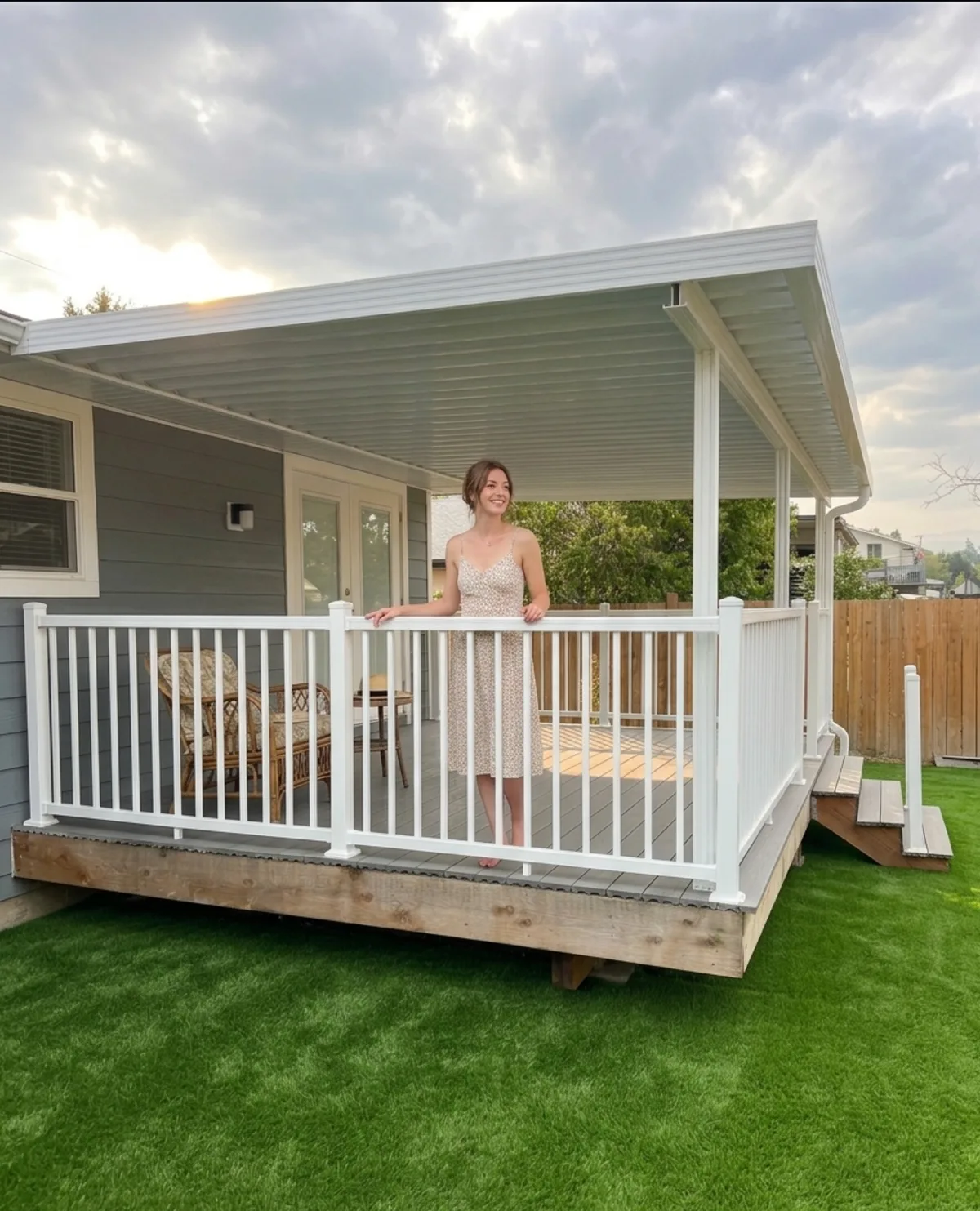
Adding a Roof Over Patio: Section 9.15 Footings and Foundations
This is the section that trips up the most people. The code is clear:
- Posts must sit on proper footings, not just an existing concrete slab
- Footings have to reach undisturbed soil or rock, or go below the frost line
- Minimum sizes are spelled out in Table 9.15.3.4
- If a contractor says “we’ll just bolt it to the patio,” that’s a red flag
Snow Load: Built for Real Winters
BC’s building code sets minimum snow-load requirements for our region, and they’re no joke, higher elevations carry a lot more than the valley floor. Every cover we build is over-built for Okanagan winters, not a mild-climate spec. See our best patio cover for snow guide for how different materials handle that load.
Roof Over Patio Attached to House: Ledger Attachment
Adding a patio roof to your house means that ledger connection point is critical. Get it wrong and you’re looking at water damage or structural problems:
- Must be properly flashed to keep water out of your wall cavity
- Lag-bolted into the structure, not just through siding
- Existing framing may need a look before attachment
- Improper ledger attachment is the #1 cause of patio cover failures we see
Five Permit Mistakes We Get Called to Fix
- Bolting posts to an existing slab. Footings need to reach undisturbed soil or the frost line.
- Assuming aluminum is exempt from code. BCAB Decision 1783 settled that in 2016.
- Submitting incomplete drawings. The single biggest reason approval drags past 2 to 4 weeks.
- Skipping the footing inspection. The inspector needs to see the hole before concrete goes in.
- Building to the property line. Setback rules apply whether or not a permit was needed.
Can I Build a Patio Cover Without a Permit? Process & Your Options
People ask if they can build a patio cover without a permit all the time, and the honest answer is: sometimes. A city permit for patio cover jobs follows roughly the same steps almost everywhere in the Okanagan: check zoning and setbacks, submit your site plan and drawings, wait out the typical 2 to 4 week window, pass a footing inspection before concrete pours and a final inspection after, then close the permit and keep the paperwork.
“My neighbour didn’t bother” is the thing we hear most. Doing it by the book is worth it, a permitted, code-compliant cover protects your insurance coverage and your home’s resale value, and unpermitted work tends to surface at exactly the wrong moment, like when a home inspector flags it during a sale.
Your Situation → Go With
| Your situation | Go with |
|---|---|
| Want max shade, no paperwork | A freestanding cover under 10m² |
| Attaching the cover to the house | Expect a building permit and the 2 to 4 week timeline |
| Enclosing it into a sunroom | Budget for a permit, no exceptions |
| Adding lights, fans, or heat | Add an electrical permit on top |
| Already near your lot-coverage max | Check zoning before you settle on a size |
| Want the cost picture first | Start with the patio cover cost guide above |
Every lot is a little different. For a second opinion on your yard, our contact page has every way to reach us.
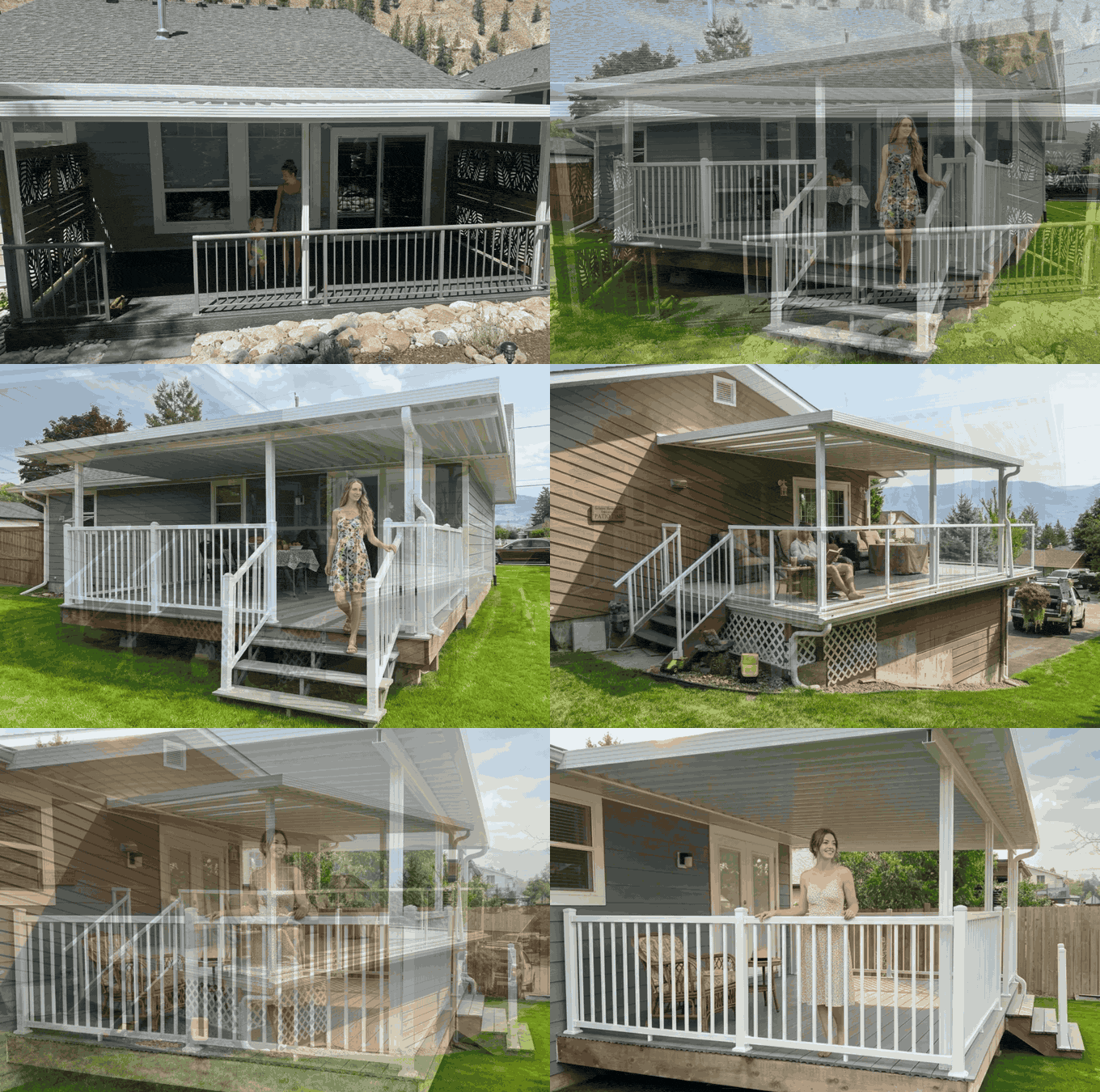
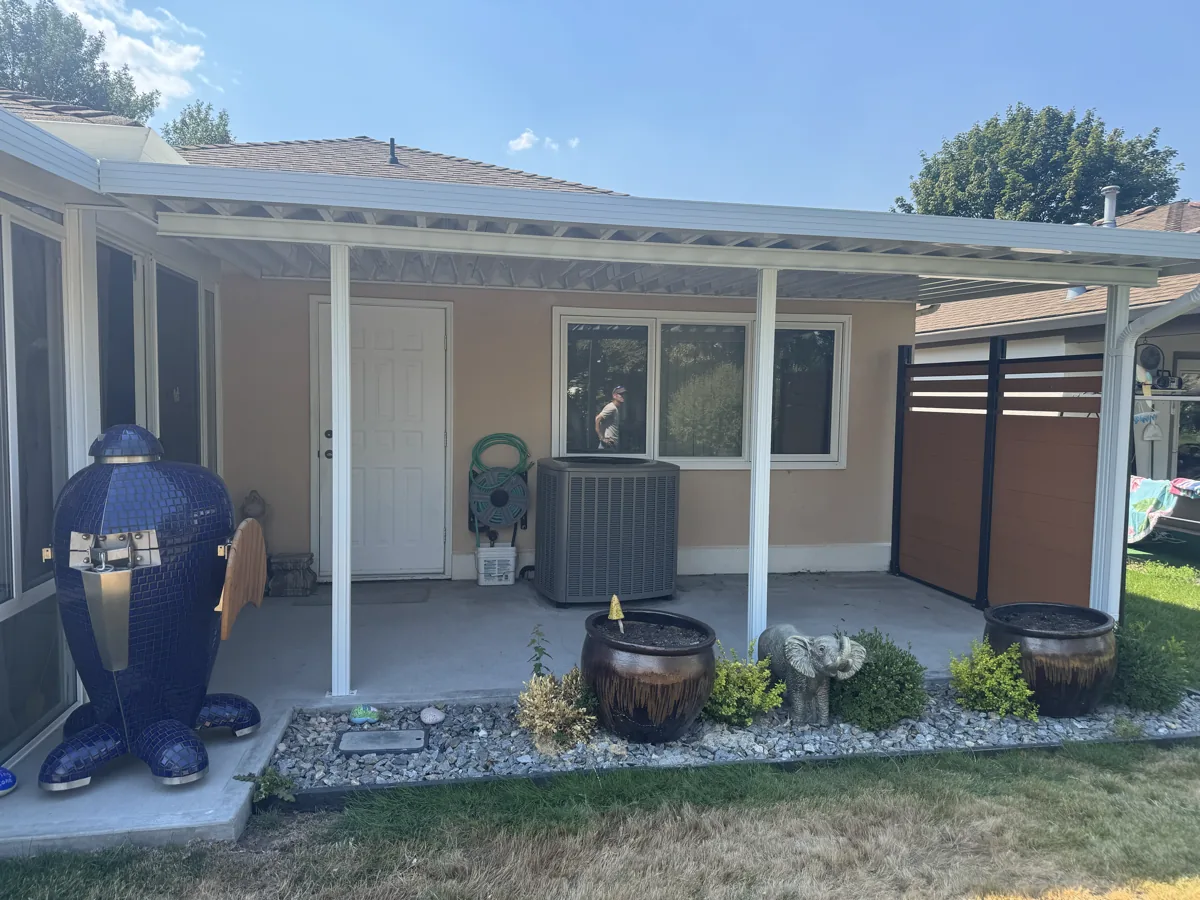
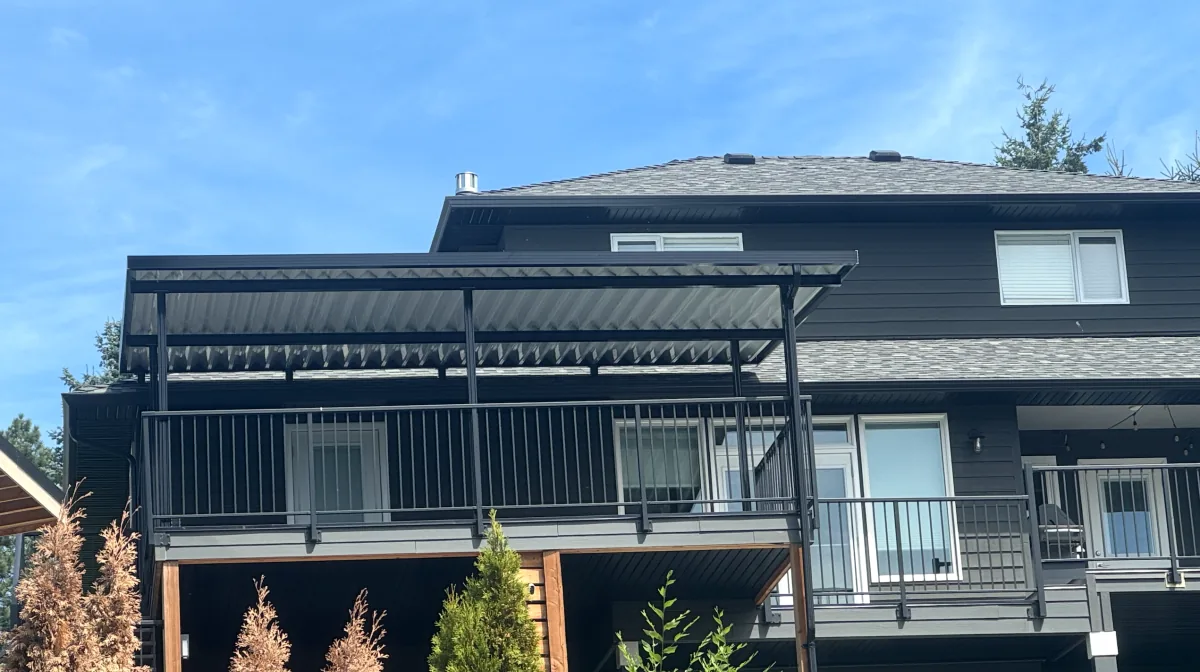
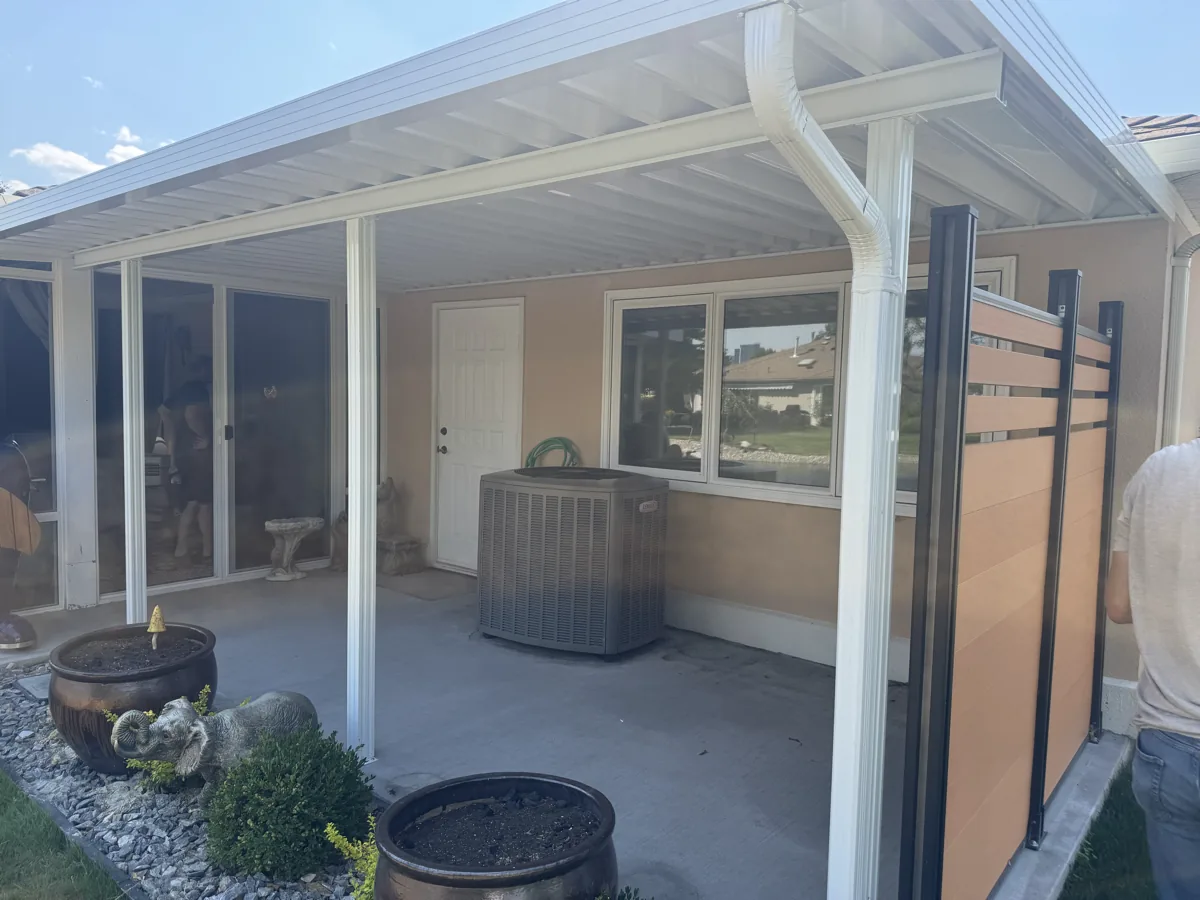
Recent Aluminum Cover Projects
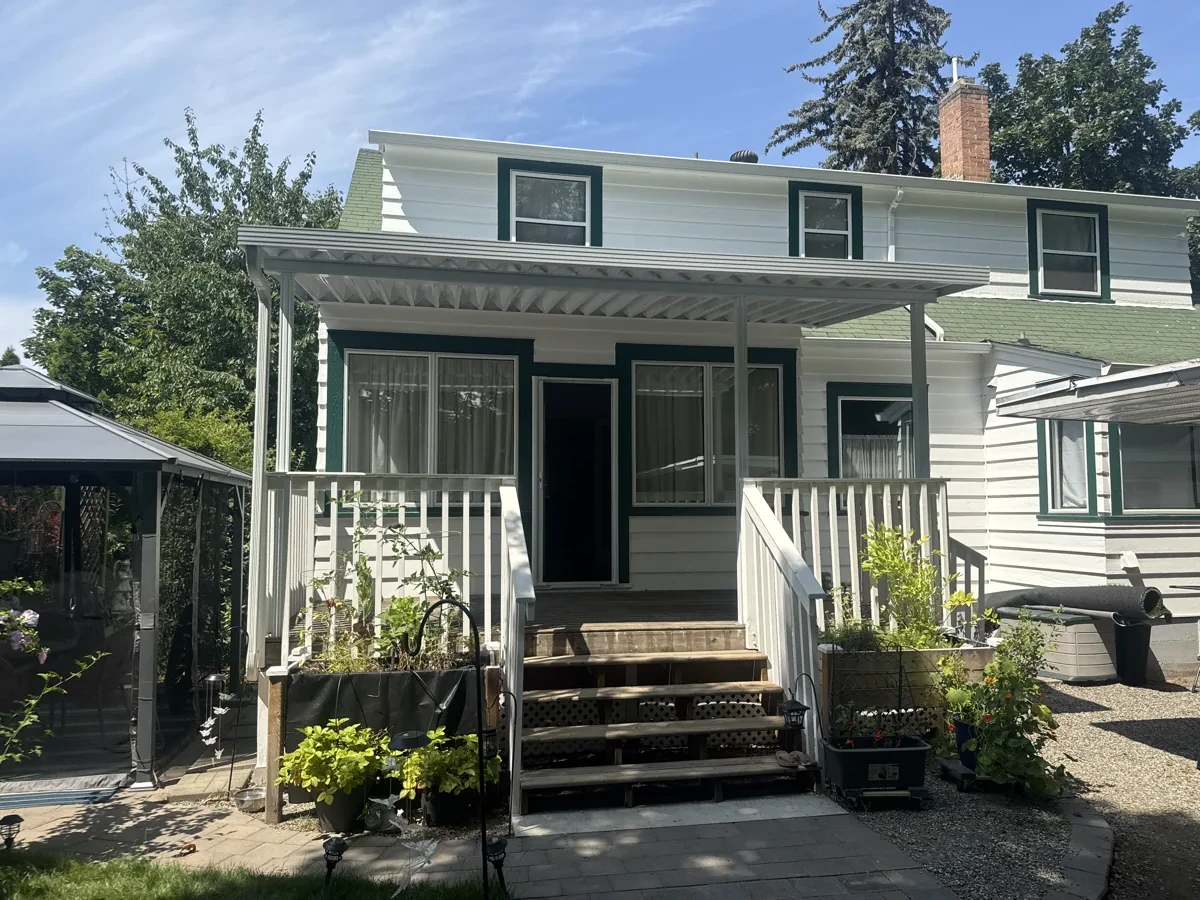
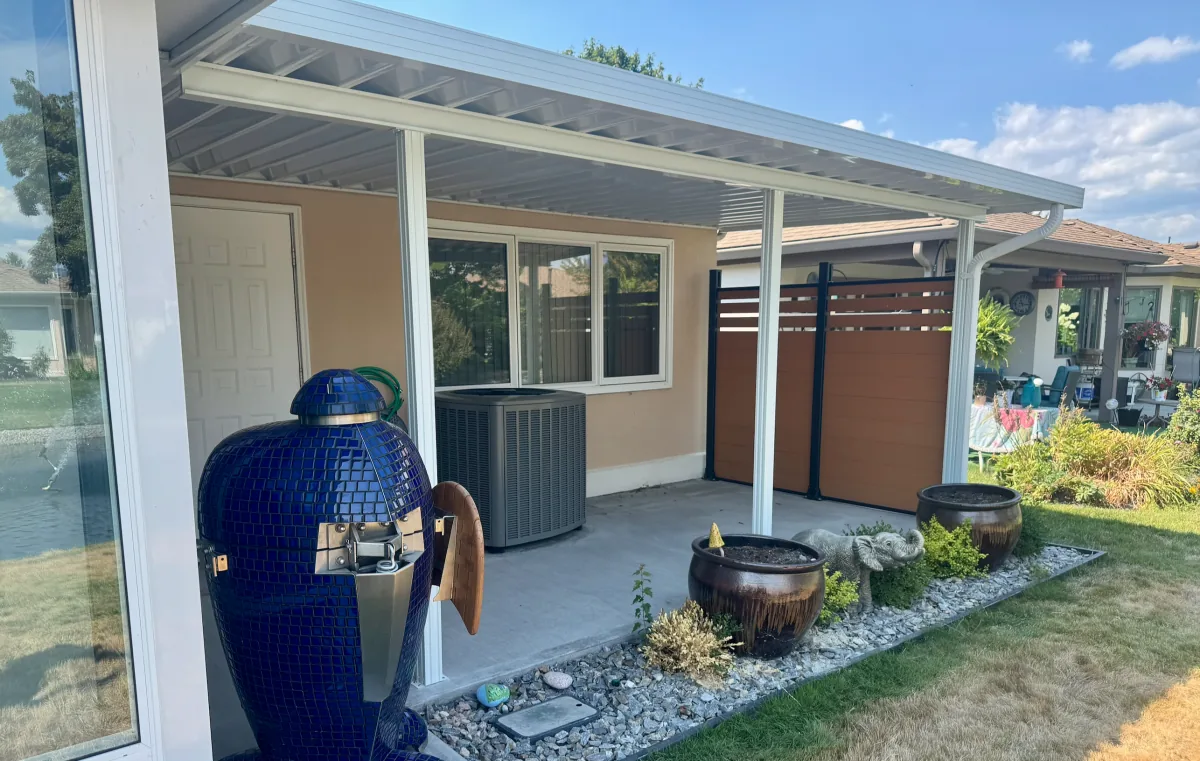
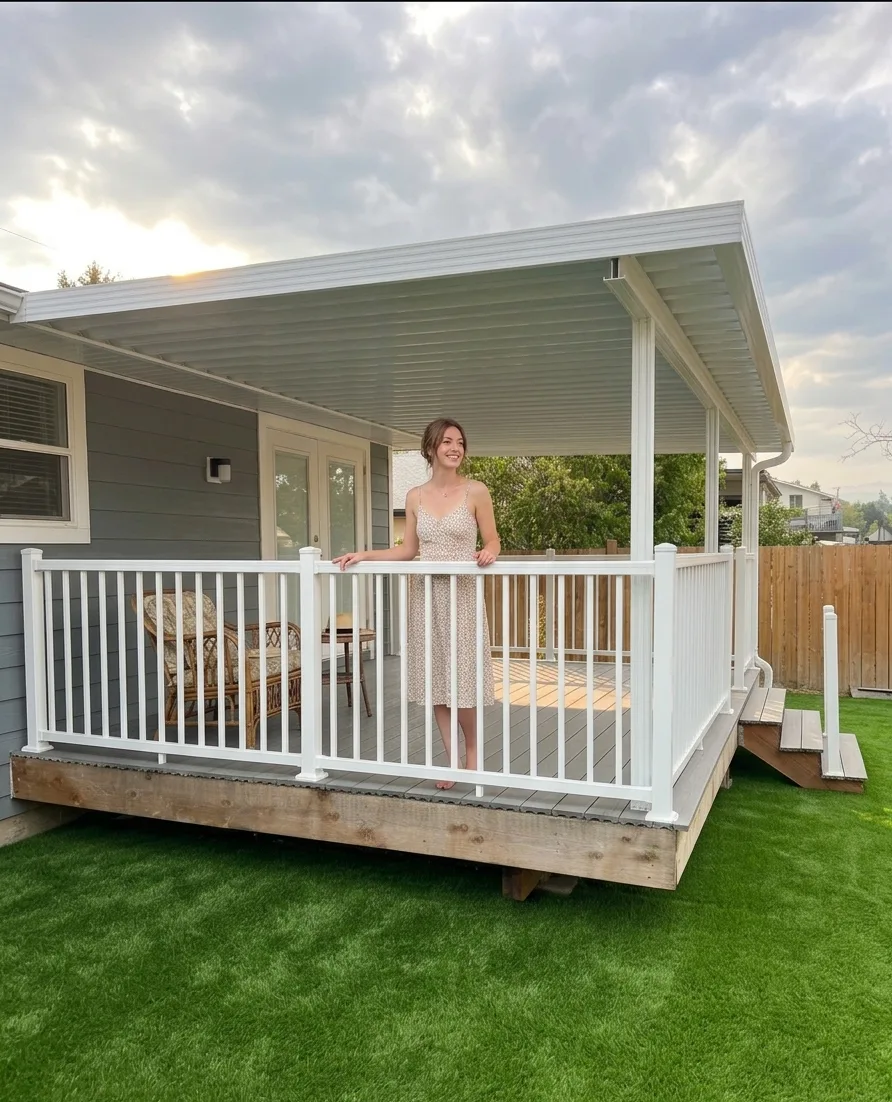
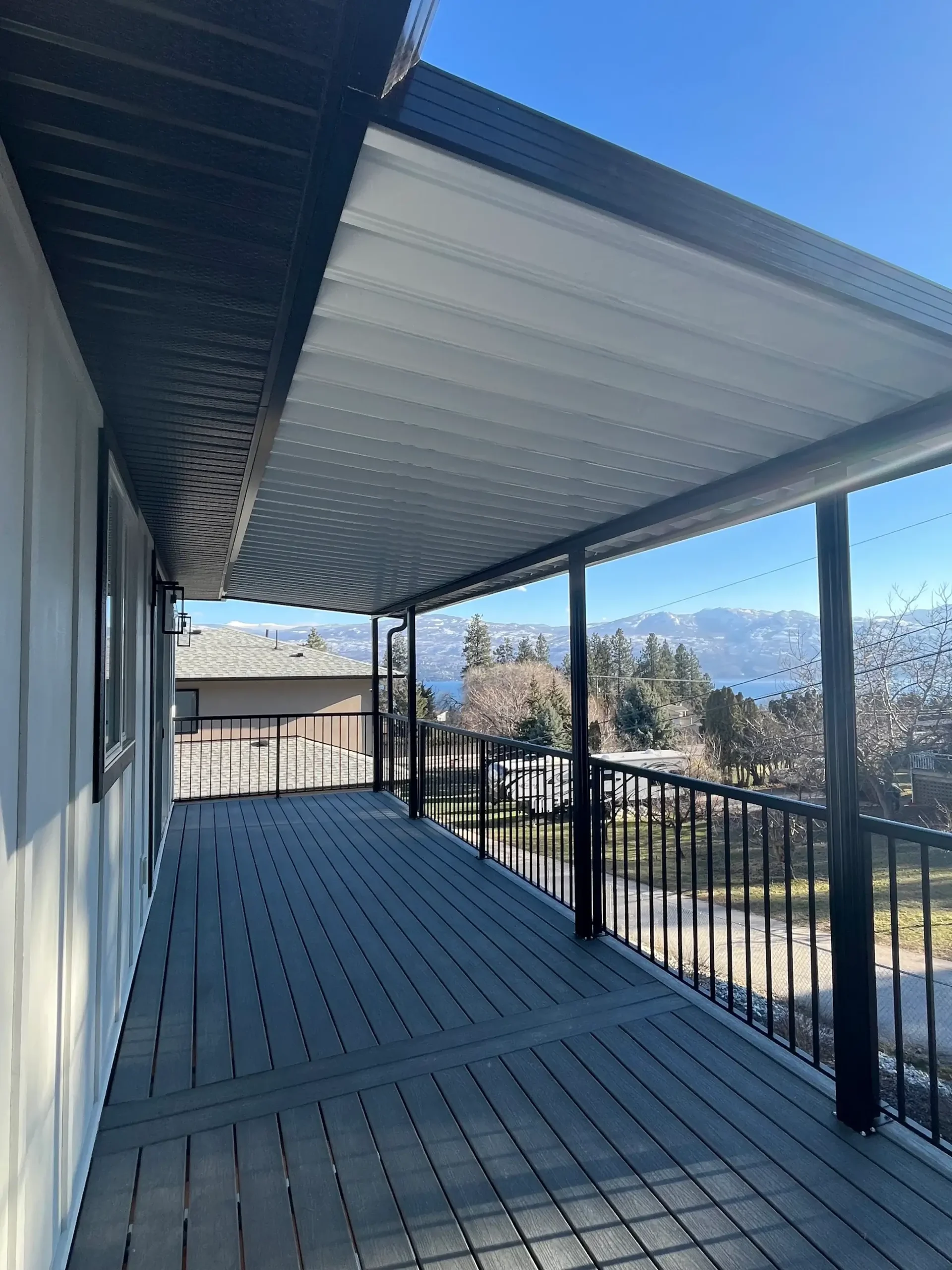
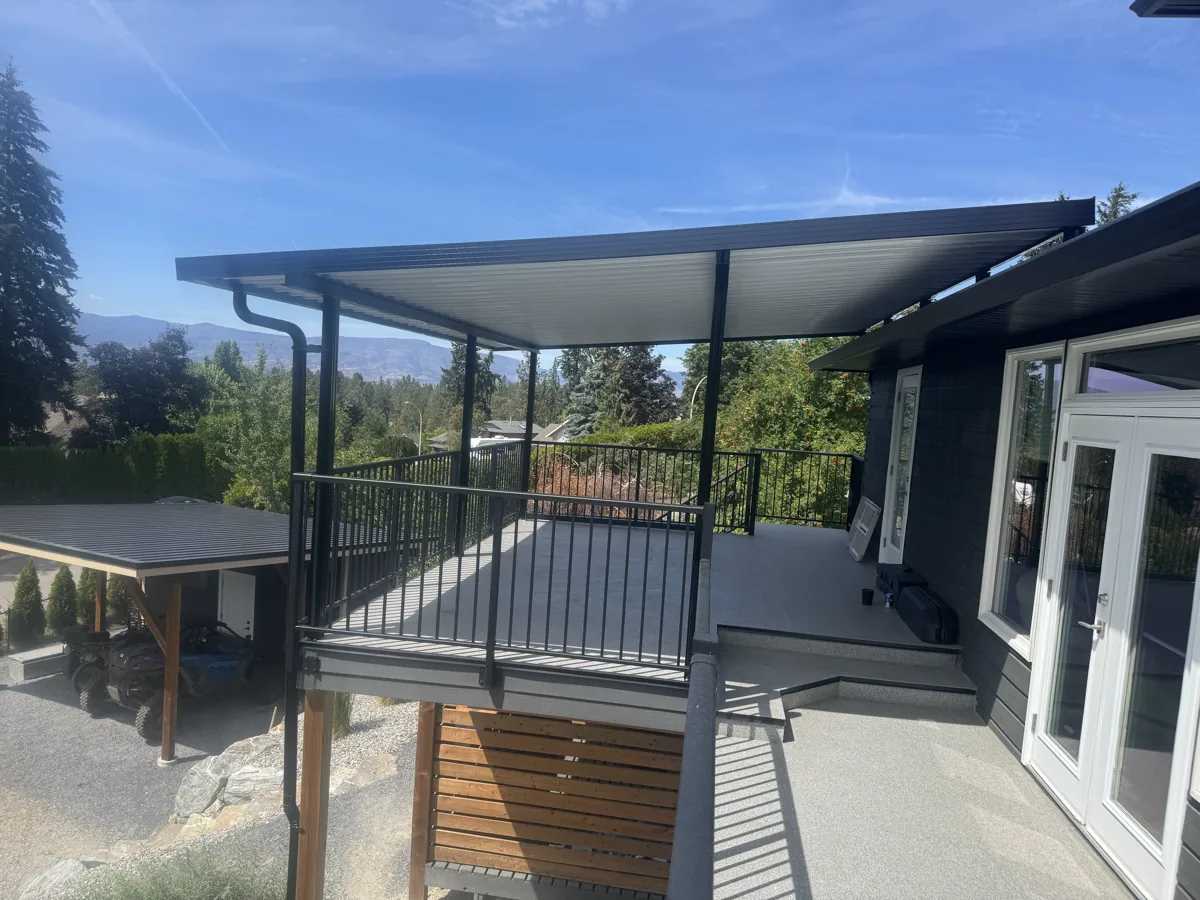
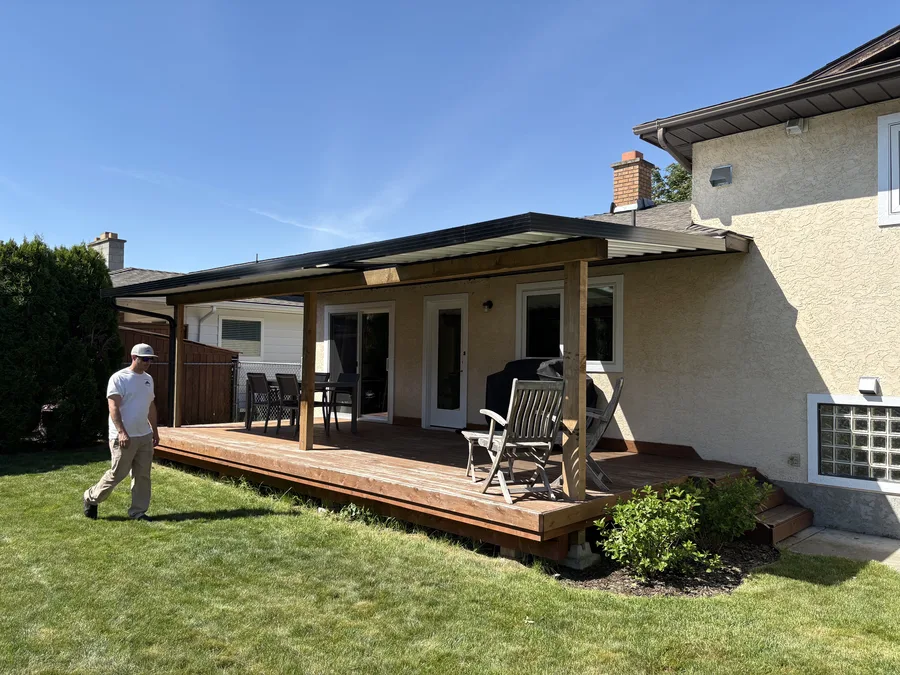
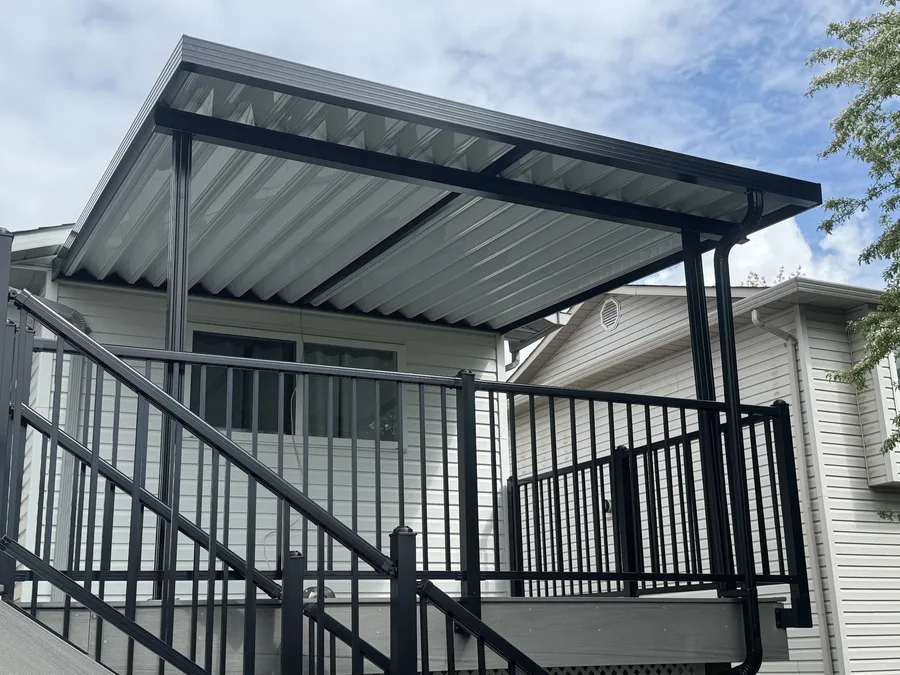
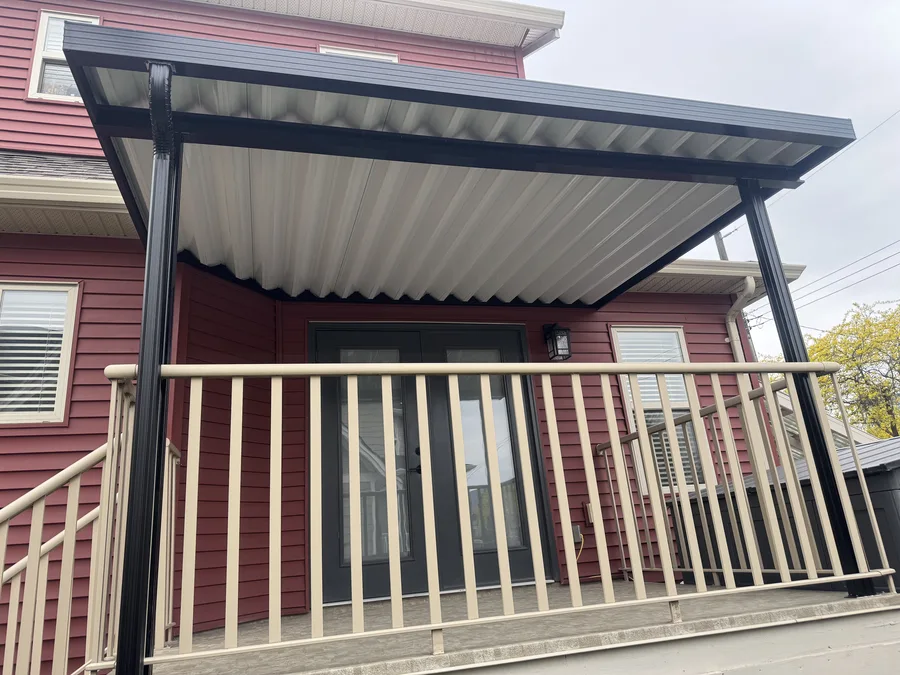
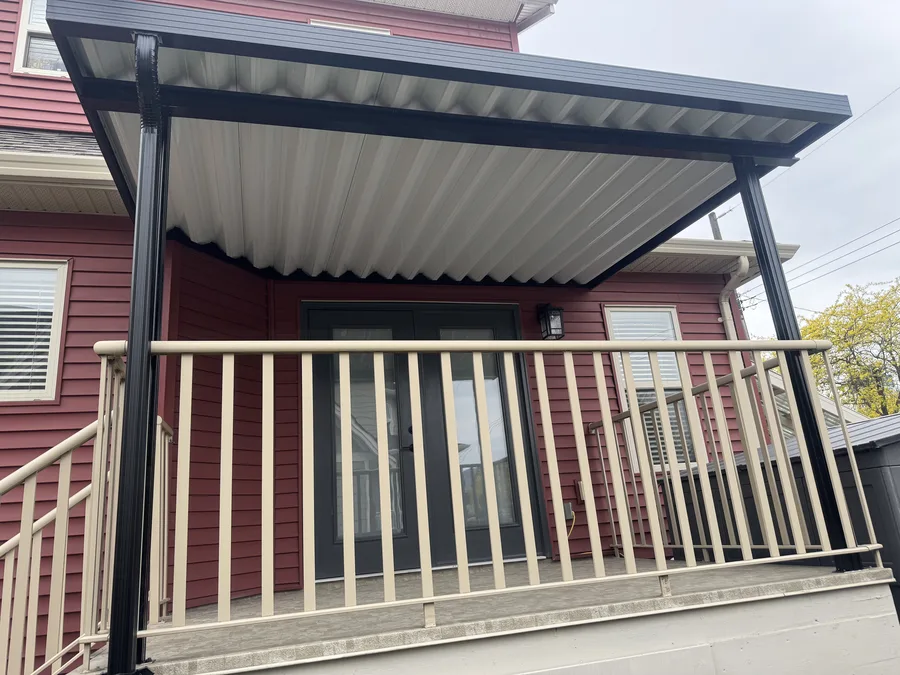
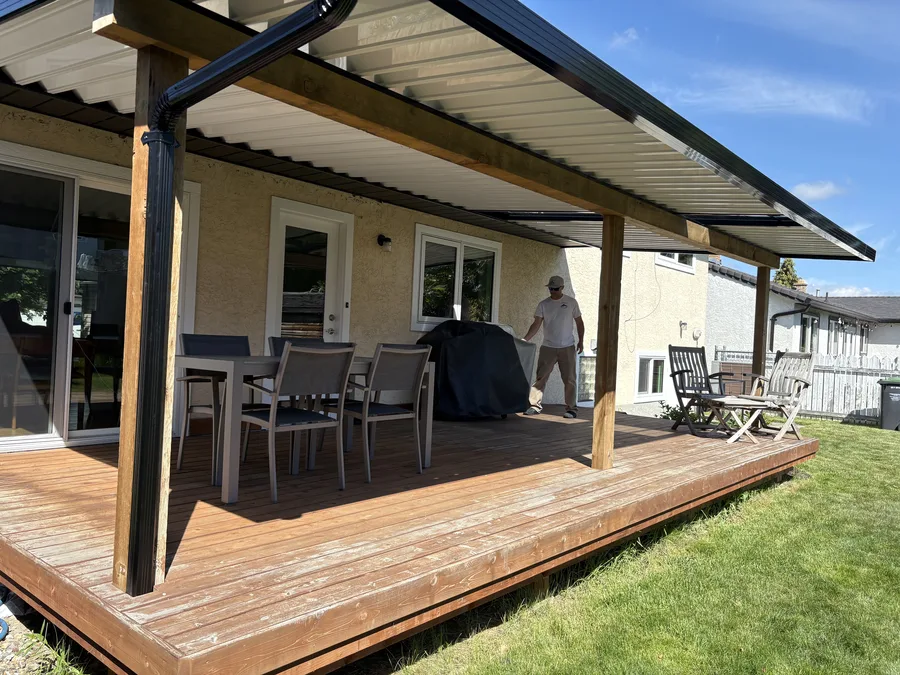
A few we’ve built recently — every one custom-made in West Kelowna and installed by our own crew.
Frequently Asked Questions
Do you need a building permit for patio glazing?
Usually, yes. Glazing an open patio with window walls or an enclosure system adds enclosed floor area, so BC treats it the same as a sunroom addition, a permit in every Okanagan municipality we work in, plus an electrical permit if it’s wired.
Does a pergola need a permit?
A pergola with no solid roof is judged the same way an open patio cover is: freestanding and under about 10 square metres is often exempt. Converting a pergola into a covered porch by adding a solid roof is what triggers the permit.
Do you need a permit for a gazebo?
In most Okanagan municipalities a gazebo follows the same rules as a patio cover, freestanding and under 10 square metres is usually exempt, anything bigger, attached, or with a solid roof generally needs one. Confirm with your local building department first.
Can I build a covered patio without a permit?
Sometimes. A freestanding structure under 10m² with no attachment to your home and no solid roof is often exempt, as long as it still meets setback and height rules. Anything attached, or with a solid roof, generally needs a permit. Your building department can confirm your situation in one call.
Do I need a permit for a sunroom in BC?
Yes, in nearly every case. A sunroom or 3-season room adds enclosed floor area, so the code treats it as a home addition that needs a building permit, and usually an electrical permit too if it’s wired. It’s the one patio build where the permit is non-negotiable.
How long does permit approval take in the Okanagan?
Typically 2 to 4 weeks for a straightforward residential patio cover with complete drawings. Incomplete applications are the biggest source of delay. Complex sites or variance requests can take longer.
What if my neighbour built without a permit?
Their risk is their own. Every property is assessed individually, and what a neighbour got away with doesn’t change the rules for your lot. Unpermitted work also tends to surface when they go to sell.
Takes under 60 seconds · Your information is never shared.
Prefer to talk to someone? Call (250) 215-7513
Ready to Start Your Project?
Designed, made and installed in the Okanagan by our own crew. 1,500+ patios built since 2005, 4.9 stars across 32 Google reviews.
Serving Kelowna, West Kelowna, Vernon, Penticton, Lake Country & Salmon Arm