

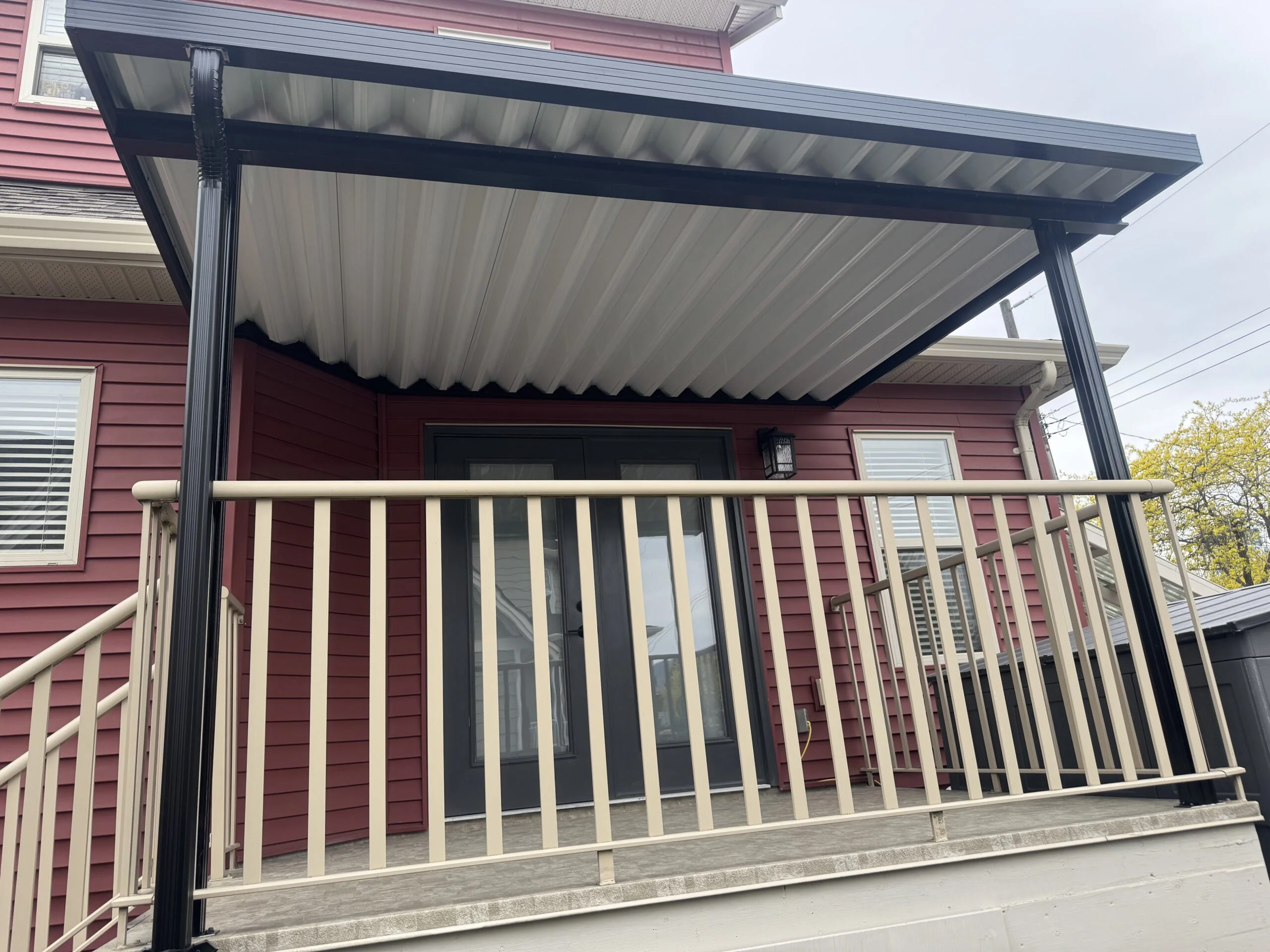
Attached vs Freestanding Patio Covers (2026 Guide): Pros, Cons & How to Choose
Deciding between an attached or freestanding patio cover is the first major choice you’ll make when planning your outdoor living space. Both options provide shade and weather protection, but they differ significantly in cost, placement flexibility, and installation requirements. This guide breaks down everything you need to know to make the right choice for your Okanagan home.
Attached or freestanding? The right choice depends on your home and lifestyle.
What Is an Attached Patio Cover?
An attached patio cover connects directly to your home’s exterior wall, creating a seamless extension of your indoor living space. The structure uses a ledger board — a horizontal beam bolted to your house’s frame — to support one side of the cover, while posts support the outer edge.
This design means attached covers typically require only two support posts instead of four, reducing both material costs and visual obstruction. They’re the most popular choice for homeowners who want to extend their living area directly from a back door, sliding glass door, or kitchen access point.
Common Locations for Attached Covers
- Back of house extending from patio doors
- Over existing concrete patios or wooden decks
- Adjacent to outdoor kitchens
- Covering hot tub areas near the home
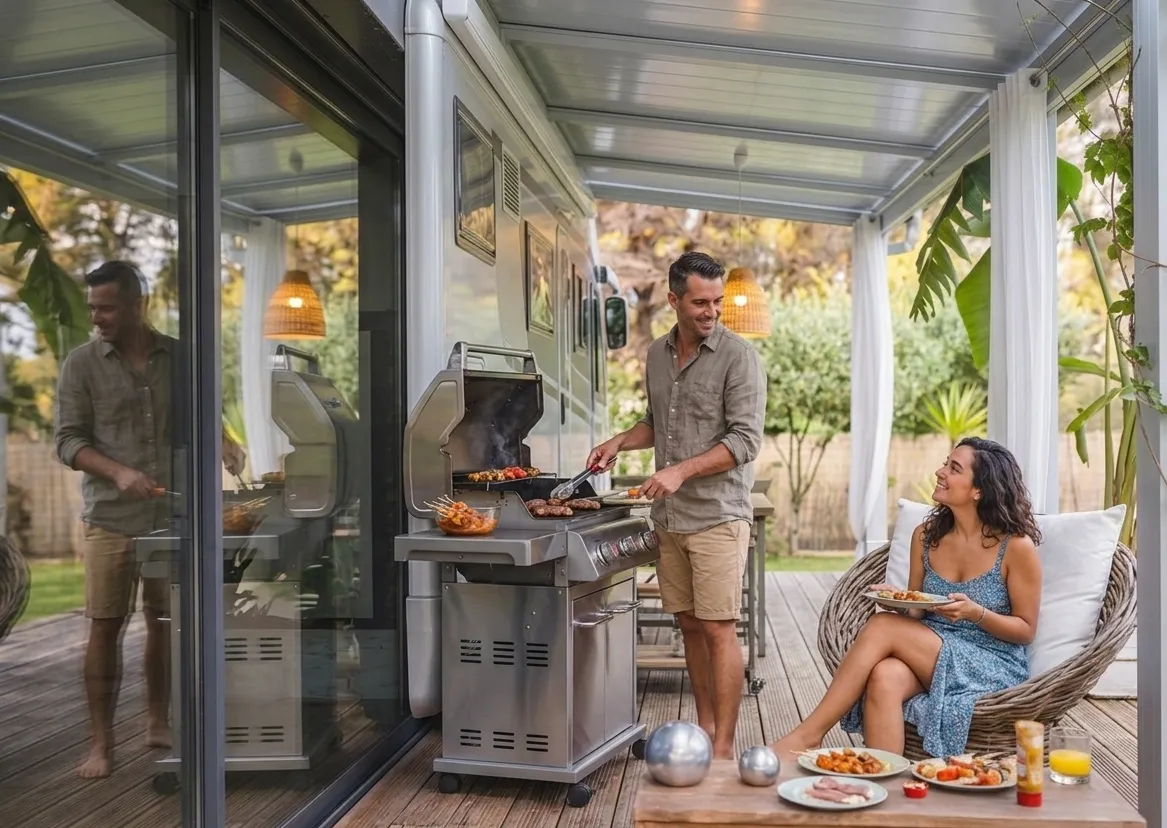
What Is a Freestanding Patio Cover?
A freestanding patio cover is a self-supporting structure that stands independently from your home. Also called a standalone, detached, or pavilion-style cover, it requires a minimum of four posts to support the roof.
The main advantage? Placement flexibility. You can position a freestanding cover anywhere on your property — over a pool area, in a garden, beside a fire pit, or in a corner of your yard that gets too much afternoon sun.
Freestanding Structures Are Ideal When:
- Your home’s structure can’t support an attached cover
- You want to cover an area away from the house
- Building codes restrict attachments to the home
- You’re creating a separate outdoor “room”
Attached vs Freestanding: Key Differences at a Glance
| Factor | Attached Cover | Freestanding Cover |
|---|---|---|
| Structural Support | Ledger board + 2 posts | 4+ posts minimum |
| Placement | Must be against house wall | Anywhere on property |
| Permits | Usually required (structural connection) | May be simpler; sometimes exempt |
| Cost | Lower upfront | Premium |
| Installation | Requires flashing & waterproofing | No house modification needed |
| Indoor-Outdoor Flow | Seamless transition | Separate destination |
| Best For | Extending living space from home | Pool areas, gardens, fire pits |
Pros and Cons of Attached Patio Covers
Lower Cost
Fewer posts and materials mean a lower upfront investment compared to freestanding structures.
Seamless Flow
Creates a natural extension of your indoor living space with easy access from your door.
Better Weather Protection
The house wall blocks wind and rain from one side, creating a more sheltered space.
Higher Home Value
Appears as an integrated home improvement that enhances curb appeal and property value.
Disadvantages of Attached Covers
- House modification required: Ledger board must be properly attached and waterproofed
- Potential water intrusion risk: Poor installation can cause leaks at the connection point
- Location limitations: Must be positioned against the house
- Connects to the house: Your home’s framing needs to carry the cover — we size the structure to suit your home
Pros and Cons of Freestanding Patio Covers
Placement Flexibility
Install anywhere on your property — pool, garden, or property edge.
No House Modification
Zero risk of water intrusion at the home. No structural connection required.
Simpler Permits
Some municipalities have exemptions for detached structures under certain sizes.
Creates a Destination
A separate “outdoor room” feel that becomes its own gathering space.
Disadvantages of Freestanding Covers
- Higher cost: More posts, more footings, more materials
- More foundation work: Each post needs proper footing
- Less wind protection: Open on all sides unless you add wind walls
- Feels disconnected: Not as integrated with the home
What Affects Your Investment
Every backyard is different, so the best way to compare an attached and a freestanding cover is a real quote on your own space. A few things move the number either way:
- Size and span of the area you want covered
- Attached vs freestanding — freestanding needs extra posts and footings
- Solid vs lattice style and any add-ons like lights or fans
- Site prep and footings for your yard
Freestanding covers generally run a bit more than attached ones because they need extra posts and footings — but the only way to know your number is an on-site measure.
Get Accurate Pricing
Every project is different. We’ll measure your space and provide a detailed, no-obligation estimate.
Request Free QuoteWhich Style Is Right for Your Okanagan Home?
At a Glance: Attached vs Freestanding
Attached
Lower upfront cost
Most PopularFreestanding
Maximum flexibility
Best for PoolsChoose an Attached Patio Cover If:
- You want to extend your living space directly from the house
- You’re covering a back deck or patio door area
- Budget is a primary concern
- You want maximum weather protection near the home
- Easy kitchen access for outdoor entertaining matters
- You prefer a seamless indoor-outdoor transition
Choose a Freestanding Patio Cover If:
- You want to cover a pool, hot tub, or fire pit area away from the house
- Your home’s structure doesn’t support attachment
- You prefer not to modify your home’s exterior
- You want flexibility to place the cover anywhere
- You’re creating a separate outdoor retreat
- Building codes restrict attached structures
Permit Requirements in BC
Good news: many of our patio covers go up with no permit hassle. Requirements vary by municipality and by whether the cover is attached or freestanding — here’s the general picture:
Attached Covers
- May need a permit depending on size and your municipality
- Connection to the home is done to BC Building Code
- Ledger board and flashing done right to keep water out
- We’ll tell you exactly what your project needs
Freestanding Covers
- May have simpler permit requirements
- Some municipalities exempt small detached structures
- Setback requirements still apply
- Footing depths must meet frost line requirements
Frequently Asked Questions
Is it cheaper to build an attached or freestanding patio cover?
Attached patio covers usually cost less because they require fewer posts and less foundation work. The house wall provides support on one side, which brings down material and labour costs.
Does a covered patio need to be attached to the house?
No. Freestanding patio covers work independently and can be placed anywhere on your property. However, if you want a covered area directly adjacent to your home with seamless access, an attached cover is usually the better choice.
How do you attach a patio cover to an existing house?
A ledger board is bolted to the house’s exterior wall studs or rim joist. Proper flashing is installed above the ledger to prevent water intrusion. This connection transfers the roof load to your home’s structure.
Do I need a permit for a patio cover in BC?
It depends on your municipality, the size, and whether the cover is attached or freestanding — many smaller and freestanding covers go up with no permit hassle. We’ll tell you exactly what your project needs before we start.
What is a ledger board and why is it important?
A ledger board is a horizontal beam that attaches to your house and supports one side of an attached patio cover. Proper installation with correct fasteners and flashing is critical for safety and preventing water damage to your home.
Can you convert a freestanding cover to attached later?
Generally no. The two designs are built differently — freestanding covers are built to stand on their own, while attached covers rely on the house connection. It’s best to choose the right style from the start.
Which style adds more home value?
Attached patio covers typically add more value because they appear as integrated home improvements. However, a well-designed freestanding cover over a pool or outdoor kitchen can also increase property value significantly.
Do freestanding patio covers need footings?
Yes. Each post sits on a proper footing — typically a concrete pier extending below the frost line. We size the footings to suit your yard and the cover.
How far can a patio cover span without support?
Most aluminum patio covers can span roughly 10–14 feet without an intermediate post, depending on the beam size and how much winter weather your area sees. Wider spans may call for an extra post or a heavier beam.
What’s the difference in installation time?
Attached covers typically take 1-2 days to install. Freestanding covers take 2-3 days due to additional posts and foundation work. Both timelines assume the site is already prepared.
Ready to Choose Your Patio Cover Style?
Get a free on-site consultation. We’ll assess your property, discuss your options, and provide a detailed quote — no pressure, no obligation.
Get Your Free Quote Ready to Start Your Project?
Get a free, no-pressure quote. We’ll help you choose the right solution for your backyard.
Serving Kelowna, West Kelowna, Vernon, Penticton, Lake Country & Salmon Arm